
Your AC Just Died. Now What Do You Do?
Look, nobody plans for this. One day your air conditioning is humming along fine, and the next day it’s blowing warm air in the middle of a Middle Georgia summer. That’s bad timing, and it’s scary.
Here’s the thing that makes it worse: a full system replacement can run anywhere from $5,000 to $15,000. That’s not pocket change. For most families, that’s a number you don’t just have sitting in a savings account.
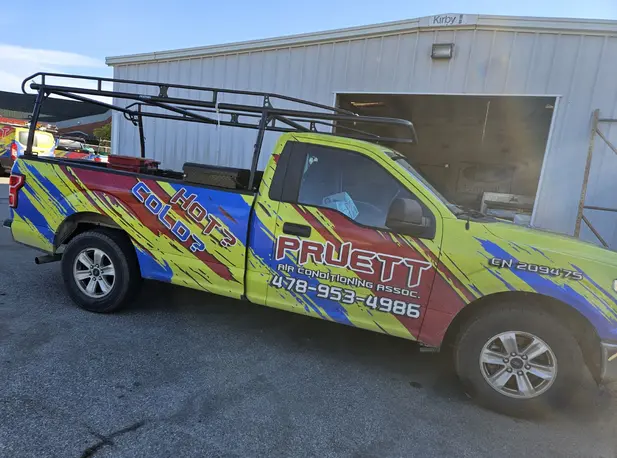
Sound familiar? You’re not alone. This is one of the most common calls we get at Pruett Air Conditioning, and we’ve been fielding them since 1977. We get it. We’re not some national chain reading from a script. We live here in Warner Robins and Eastman too, and we’ve helped neighbors through this exact same panic for almost 50 years.
So let’s talk about it honestly. This article walks you through why air conditioning costs so much, what financing options actually exist, and how to pick one without getting burned. No fluff. Just the facts you need to breathe easier.
Why Does Air Conditioning Replacement Cost So Much?
It’s frustrating when a box that just blows cold air costs as much as a used car. But there’s a real reason behind the price tag.
Modern systems aren’t just bigger fans. They’re precision-engineered machines built to meet strict efficiency standards. Higher SEER ratings, quieter compressors, and smarter thermostats all add cost, but they also cut your monthly power bill. That matters in Georgia, where summer electric bills can wreck a budget fast.
Labor is another piece of the puzzle. A proper installation isn’t just swapping one box for another. It involves sizing the system correctly for your home, checking your ductwork, and making sure everything is up to code. Skip that step, and you’ll pay for it later in comfort problems and higher bills.
This doesn’t work if a contractor cuts corners to hit a lower price. Cheap installs often mean oversized or undersized units, leaky ducts, and a system that dies years before it should. That’s not saving money. That’s borrowing trouble.
What Actually Drives the Price Range
The $5,000 to $15,000 range isn’t random. A few things push you toward the low end or the high end.
Home size matters. A small ranch house needs less cooling power than a sprawling two-story home. Efficiency level matters too. A basic system costs less upfront, but a high-efficiency unit saves more over time.
Ductwork condition is often the hidden factor. If your existing ducts are in good shape, you save money. If they need repair or replacement, that adds real cost fast.
Financing Options for Air Conditioning Replacement
Here’s what matters most: you have more options than you probably think. You don’t have to drain your savings or put off a repair until your family is miserable in 95-degree heat.
0% APR Promotional Financing
Many HVAC companies, including Pruett, offer promotional financing periods with 0% interest. This lets you pay the total cost in fixed monthly installments without extra fees, as long as you pay it off within the promotional window.
This is often the best option for budget-conscious homeowners. You spread out a $8,000 system into manageable monthly payments instead of one gut-punch expense.
The exception is if you can’t pay it off before the promotional period ends. Miss that deadline, and deferred interest can kick in retroactively. Read the terms carefully before you sign anything.
Manufacturer Rebates and Utility Incentives
You might feel overwhelmed by all the moving pieces here, but this one is worth the effort. Carrier, as an example, regularly offers rebates on qualifying high-efficiency systems. Local utility companies in Georgia also sometimes offer incentives for energy-efficient upgrades.
As a Carrier Factory Authorized Dealer, Pruett has access to exclusive rebate programs that aren’t available through every local contractor. That status isn’t just a badge. It’s priority access to manufacturer support and pricing advantages that get passed to you.
Personal Loans or Home Equity Options
For larger jobs, especially if ductwork or electrical work is also needed, a personal loan or home equity line of credit can make sense. Interest rates vary based on your credit, so it pays to shop around before committing.
This route takes longer to set up than in-house financing, so it’s better for planned replacements rather than emergency breakdowns.
Maintenance Plans That Prevent the Emergency Altogether
Here’s a secret a lot of homeowners don’t know: regular maintenance can delay that $10,000 bill for years. A well-maintained system simply lasts longer.
That’s part of why we built the Pruett Neighbor Plan, our maintenance program designed to catch small problems before they become expensive ones. It’s not just a service contract. It’s peace of mind from a company your family may have already trusted for a generation.
Comparing Your Financing Options
Numbers help when emotions are running high. Here’s a side-by-side look at the most common paths homeowners take.
| Financing Option | Typical Timeline | Interest Cost | Best For |
|---|---|---|---|
| 0% APR promotional plan | 12–60 months | None if paid within promo period | Homeowners who want predictable payments |
| Manufacturer rebate + cash | Immediate | None | Homeowners who can cover part of the cost upfront |
| Personal loan | 2–7 years | Varies by credit score | Larger jobs including ductwork repairs |
| Home equity line of credit | 5–15 years | Typically lower than personal loans | Homeowners with significant equity |
| Preventive maintenance plan | Ongoing | N/A (prevents premature replacement) | Homeowners wanting to delay full replacement |
How to Choose Without Getting Overwhelmed
You don’t need to become a finance expert overnight. But here’s what matters: ask questions before you sign anything.
Ask what happens if you pay late. Ask whether interest is simple or deferred. Ask if there are prepayment penalties. A trustworthy contractor will answer these questions clearly, without dodging or rushing you.
Here’s the thing about choosing a contractor for financing help too. This is a decision you’ll live with for 15 to 20 years, which is the average lifespan of a well-maintained AC system. That’s not a decision to make based on whoever answers the phone fastest.
We’ve watched families in Warner Robins and Eastman go through this same process for almost five decades. Some of our customers today are the grandchildren of people we helped back in the 1980s. That kind of relationship isn’t something a big out-of-town company can offer. It comes from actually being your neighbor, not just your service provider.
Frequently Asked Questions
How much does a new air conditioning system typically cost? Most full system replacements run between $5,000 and $15,000, depending on home size, efficiency level, and whether ductwork needs repair. Getting an in-home estimate is the only way to know your exact number.
Can I finance air conditioning replacement with bad credit? Yes, though your options may be more limited. Some in-house financing programs have more flexible approval criteria than traditional bank loans, so it’s worth asking directly rather than assuming you won’t qualify.
Is it cheaper to repair my AC instead of replacing it? Sometimes. If your system is under 10 years old and the repair cost is less than half the price of replacement, repair often makes sense. Beyond that point, repeated repairs usually cost more over time than a new, efficient system.
Do 0% financing offers actually save money? Yes, as long as you pay off the balance before the promotional period ends. If you carry a balance past that date, deferred interest charges can apply retroactively, so it’s important to plan your payments accordingly.
Don’t Let the Price Tag Keep You Stuck
Here’s the bottom line. A broken air conditioner in Georgia summer heat is stressful enough without worrying about how to pay for the fix. But you have real options: promotional financing, manufacturer rebates, personal loans, and maintenance plans that can stretch the life of your current system.
The right choice depends on your budget, your timeline, and your comfort level with monthly payments. There’s no one-size-fits-all answer here, and anyone who tells you otherwise probably isn’t looking out for your best interest.
What we can tell you is this: nearly 50 years in Middle Georgia has taught us that honest advice matters more than a quick sale. If your system is struggling, reach out to our financing page to explore your options, or check out our Neighbor Plan maintenance program to see if a repair-and-protect approach might save you thousands. Either way, you don’t have to figure this out alone.
Ready to talk it through? Contact Pruett Air Conditioning and let’s find the option that actually fits your family’s budget.