The Coldest Sound in Church Isn’t Silence. It’s Shivering.
It’s 8:45 on a December Sunday. The choir is warming up. The greeters are at the door. And somebody just walked into the sanctuary still wearing their coat.
Sound familiar?
For churches, a heating problem never shows up on a quiet Tuesday. It shows up when 200 people are pulling into the parking lot. Or on Christmas Eve. Or the morning of a funeral, when the family has enough on their hearts already.
Here’s the thing: church buildings don’t use heat the way homes do. Your furnace might sit idle for six days, then get asked to warm a huge room in a few hours. That pattern is hard on equipment. And it means furnace maintenance for a house of worship needs its own game plan.
In this guide, you’ll learn why part-time buildings wear out furnaces in sneaky ways, what a good tune-up should cover, how to set your thermostat so the room is actually warm by the first hymn, and when it’s time to stop repairing and start planning.

Why Your Church Furnace Lives a Strange Life
Idle Days Aren’t Rest Days
You’d think a furnace that runs one or two days a week would last forever. It feels logical. Less use, less wear, right?
Not quite.
When a furnace sits cold for days, dust settles on the burners and the flame sensor. Moisture can creep into the vent pipe. Small critters sometimes move into quiet equipment rooms. Then Sunday comes, and the system goes from stone cold to full blast in one push. That hard start, over and over, puts stress on the igniter, the blower motor, and the heat exchanger.
A home furnace cycles gently all day. Yours sprints. Sprinters need a different kind of care.
Big Rooms, High Ceilings, and Heat That Hides
Sanctuaries are beautiful. They’re also tough to heat. Warm air rises, so it gathers up near those tall ceilings while folks in the pews stay chilly. The furnace keeps running because the thermostat (usually mounted on a wall at people level) still says “cold.”
That extra runtime costs money. It also adds wear you might not notice until a part fails.
The Middle Georgia Twist
Here’s what makes our region tricky. Georgia winters are mild most of the time. A church furnace in Warner Robins or Eastman might barely run in November, then get hit hard by a sudden cold snap right before Christmas.
So the first real test of the season often lands on your biggest service of the year. That’s not the moment you want to learn the igniter cracked over the summer.
What a Real Church Furnace Tune-Up Should Cover
The Safety Checks That Matter Most
Let’s talk about the serious part for a moment.
A gas furnace that’s been sitting closed up can hide problems. A cracked heat exchanger can leak carbon monoxide. A blocked flue can push exhaust back into the building. In a church, you’ve got babies in the nursery, seniors in the front rows, and kids running down the halls. The stakes are high.
A proper tune-up should include a close look at the heat exchanger, a test of the flue draft, a check of gas pressure, and a combustion test. Your building should also have working CO detectors near fuel-burning equipment and in gathering areas. If yours don’t, that’s a cheap fix with big peace of mind.
The Parts That Hate Sitting Still
Next come the components that suffer most from on-and-off use. The flame sensor gets cleaned, because a dirty one can shut the furnace down minutes after it starts. The igniter gets inspected for cracks. The blower motor and belt (on older units) get checked for wear. Electrical connections get tightened, since heat cycles can loosen them over time.
Filters get swapped too. And don’t assume a filter stays clean just because the building is empty most of the week. Dust from Sunday crowds, potlucks, and Vacation Bible School carpets still finds its way in.
The Extras Churches Often Miss
Most churches have more than one system. Maybe one for the sanctuary, one for the fellowship hall, and a smaller unit for classrooms or offices. Each one needs attention, even the one “nobody uses much.”
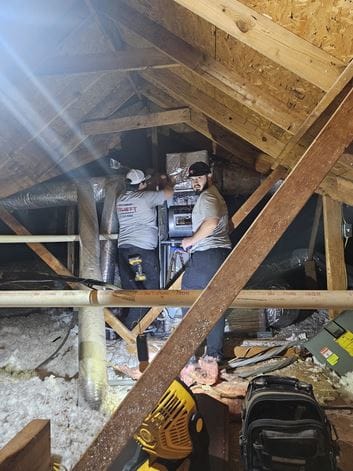
Ductwork matters too. Older buildings often have ducts running through attics or crawl spaces with gaps nobody has seen in years. If your sanctuary always smells a little musty when the heat kicks on, ask about duct cleaning or an indoor air quality check.
A Simple Furnace Calendar for Houses of Worship
You might feel overwhelmed by the idea of tracking all this. Facilities teams at churches are often volunteers with full-time jobs. That’s why a calendar helps. Pin it in the church office, and pass it along when committee members change.
| When | What to Do | Why It Matters for a Church |
|---|---|---|
| September–October | Schedule a professional furnace tune-up and safety inspection | Catches problems before the first cold Sunday, not during it |
| October | Test every thermostat and update schedules for fall services | Makes sure the building warms before people arrive |
| Early November | Replace filters and test CO detectors | Clean air and safe air before holiday crowds |
| Before Christmas Eve | Do a “dress rehearsal” warm-up of the sanctuary | Your biggest service is no time to find a surprise |
| January–February | Check filters again after holiday events | Heavy use clogs filters faster |
| Spring | Schedule cooling maintenance | Georgia summers are harder on church systems than winters |
| Every year | Review system age and repair history with your tech | Helps the budget committee plan ahead instead of scrambling |
Getting the Sanctuary Warm by the First Hymn
Stop Cranking the Thermostat to 85
Look, we get it. Someone walks in at 8:30, feels the chill, and turns the dial way up. Feels like it should help.
It doesn’t. A furnace heats at the same speed whether you set it to 70 or 85. Setting it high just means the room overshoots later, right around the sermon, and everyone starts fanning themselves with the bulletin.
Plan for Warm-Up Time
Big rooms with high ceilings and lots of hard surfaces take time to warm. Depending on your building and the weather, a sanctuary may need a couple of hours or more to reach a comfortable temperature. A small classroom might need 30 minutes.
The fix is a programmable or smart thermostat with a schedule for each zone. Set it to start warming well before people arrive on Sunday, Wednesday night, or whenever you meet. Then set it back to a lower holding temperature once the building empties. You save energy without sacrificing comfort.
But here’s what matters: don’t let the building drop too low in between. Keeping a modest setback temperature during the week protects pipes, organs, pianos, and wood furnishings. It also means the furnace doesn’t have to climb so far on Sunday morning.
Use Your Ceiling Fans
This one’s free. Many ceiling fans have a reverse switch. Run them slowly in reverse during winter, and they’ll gently push that trapped warm air back down toward the pews. Your furnace runs less, and people feel warmer.
The Exception: Funerals and Surprise Events
Schedules work great for regular services. They don’t help much when a funeral is booked two days out. Make sure at least two people know how to adjust each thermostat safely. A short, laminated instruction card next to each one can save a lot of stress.
Repair, Replace, or Keep Patching It Along?
Every church has that one furnace. It’s older than the youth pastor. It groans when it starts. Somebody always says, “Let’s get one more winter out of it.”
Sometimes that’s the right call. Many furnaces last 15 to 20 years with good care. But on-and-off use and long idle stretches can change the math.
Here are some honest signs it’s time for a bigger conversation. Repairs are coming every season. The heat exchanger shows cracks or rust. Some rooms never feel warm no matter what. Your utility bills keep climbing even though attendance and schedules haven’t changed. Or the system is old enough that parts are getting hard to find.
If you’re there, a heating repair visit can tell you what’s wrong today. A new heating installation might make more sense if you’re facing big repair bills on a tired unit. For church budgets, financing options can help spread out the cost so ministry funds stay on track.
This doesn’t work if you wait until the furnace dies in January, though. Replacement in a rush means fewer choices. Planning in the fall gives your committee time to pray, compare, and decide.
Why Churches Call Pruett
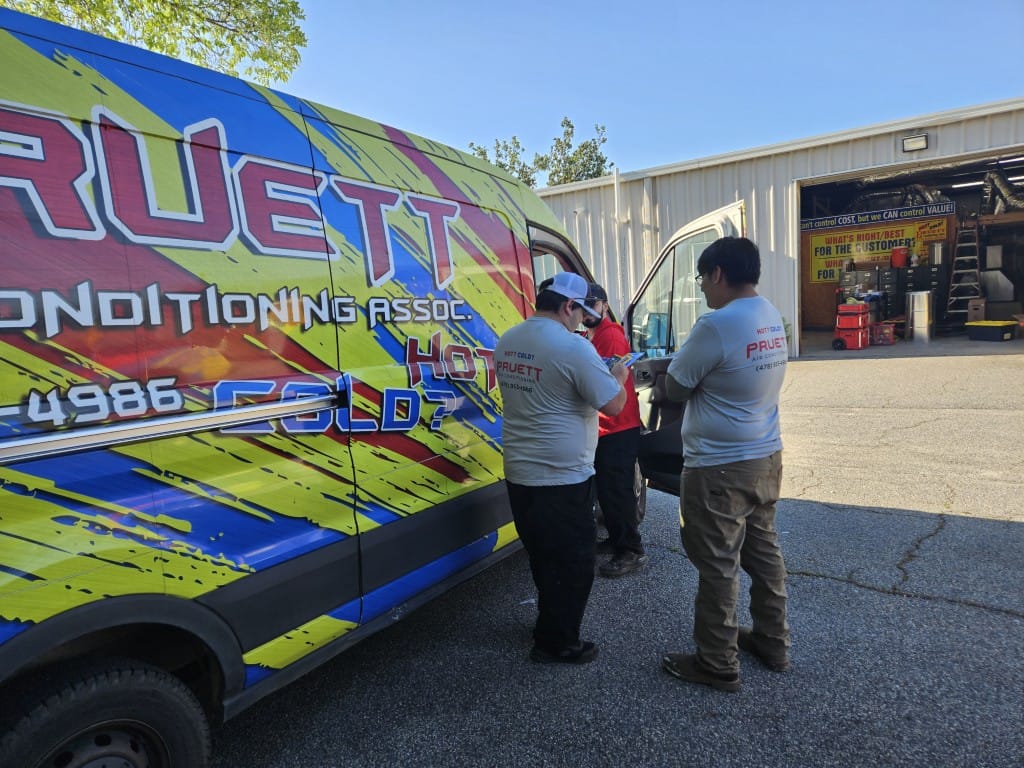
Church buildings across Middle Georgia aren’t just big homes. They have multiple systems, odd schedules, and volunteers juggling a dozen jobs. They need a team that answers, shows up, and explains things in plain words.
Pruett Air Conditioning has served families and businesses in Middle Georgia since 1977. Our NATE-certified technicians service all HVAC brands, and our commercial services team handles the larger systems and boilers that churches and small businesses depend on.
We also believe promises belong in writing. That’s why Pruett backs its work with written guarantees, so your church isn’t left chasing anyone down. Want to keep things on autopilot? Our Customer Care Plan builds regular furnace maintenance into your year, so the tune-up happens before the cold snap does.
With offices in Warner Robins and Eastman, we’re close to the churches in Houston County and the rural communities around Dodge, Bleckley, and Laurens County too. Nobody is driving in from Atlanta.
Frequently Asked Questions
How often does a church furnace need maintenance?
At least once a year, ideally in September or October before heating season. Churches with several systems, heavy holiday schedules, or older equipment may benefit from a second check in midwinter. Idle stretches don’t reduce the need for service. They change what can go wrong.
Why does our furnace smell like burning the first time we turn it on?
That’s usually dust that settled on the burners and heat exchanger while the system sat unused. It should fade within an hour or so. If the smell lingers, smells like rotten eggs (a sign of gas), or comes with headaches or dizziness, get everyone out and call for help right away.
Is it cheaper to turn the heat off completely between services?
Not always. Letting a large building get very cold forces the furnace into a long, hard recovery before each service. It can also stress pipes, instruments, and wood. A moderate setback temperature during the week usually balances savings with protection.
Can volunteers handle furnace maintenance themselves?
Volunteers can safely change filters, check that vents aren’t blocked by chairs or hymnal carts, test CO detectors, and keep the equipment room clear. Gas pressure, combustion testing, heat exchanger inspection, and electrical work should be left to a licensed HVAC technician.
Warm Hearts, Warm Pews, Zero Sunday Surprises
Your church furnace has a tough job. It sits quietly most of the week, then has to warm a big room fast for people who came to worship, not to shiver. That pattern brings its own risks, from dusty sensors to hidden safety issues.
The good news? A fall tune-up, a smart thermostat schedule, and a simple yearly calendar can solve most of it. Plan ahead, and the only thing your congregation notices is that it feels nice inside.
Ready to get your building ready for winter? Request service online or call Pruett Air Conditioning in Warner Robins at 478-953-4986 or Eastman at 478-374-1481. Hot? Cold? Call the Man.