The Night Your Furnace Picks to Quit
It’s 2 a.m. The thermometer outside reads 24 degrees, and the house is getting colder by the minute. You hear the furnace click and try to light. Then nothing happens.
Sound familiar? In Middle Georgia, we don’t get many truly freezing nights. That’s exactly what makes this so frustrating. Your furnace sits quiet for most of the year, and then it’s asked to work hard on the handful of nights when you need it most.
Here’s the good news. Most mid-winter breakdowns don’t come out of nowhere. They give warning signs weeks or months ahead, and a good furnace maintenance visit is how you catch them.
In this guide, you’ll learn why Georgia furnaces wear out differently than furnaces up north, which parts fail first in older systems, and what a real tune-up should include. You’ll also learn when it’s time to stop fixing and start planning a replacement.
Why Georgia Furnaces Break Down Differently
Most furnace advice online is written for places like Ohio or Minnesota. Those furnaces run for months without stopping. Ours don’t. That changes everything about how they wear out.
Long Naps Cause Short Tempers
Your furnace may sit idle from April to November. That’s seven or eight months of dust settling on the burners. Spiders and insects love to build nests in warm, dark spaces like burner tubes and gas orifices.
So when the first cold snap hits, your furnace wakes up dirty. You might notice a burning smell the first time it runs. A little of that is normal. But a blocked burner or a dirty flame sensor can stop the furnace from staying lit at all.
It’s the Starts, Not the Hours
Here’s the thing most people don’t know. In a mild climate, a furnace runs in short bursts. It might fire up, heat the house fast, shut off, and do it all again 15 minutes later.
Every one of those starts puts stress on the ignitor, the flame sensor, and the inducer motor. A furnace in Middle Georgia may run fewer total hours than one up north, but it can rack up a lot of starts. On an older system, that’s where the trouble begins.
Your AC Can Hurt Your Furnace
This one surprises homeowners. In many Middle Georgia homes, the air conditioner’s indoor coil sits right on top of the furnace. All summer long, that coil pulls water out of our sticky air.
If the drain pan cracks or the drain line clogs, that water can drip down into the furnace. Over the years, it can rust the burners, the controls, and even the heat exchanger. You won’t see it unless someone opens the cabinet and looks. That’s one reason maintenance on both systems matters.
What Fails First in an Aging Gas Furnace
Look, every furnace is different. But after decades of service calls across Houston County and the rural counties around Eastman, techs see the same few culprits again and again. The table below breaks them down.
| Part | What Goes Wrong | Warning Sign You Might Notice | What a Tune-Up Does |
|---|---|---|---|
| Flame sensor | Gets coated with buildup over time | Furnace lights, then shuts off within seconds | Cleans and tests it |
| Hot surface ignitor | Cracks after thousands of starts | Clicking, but no flame | Checks its condition and resistance |
| Inducer motor | Bearings wear out | Loud humming or squealing at startup | Listens, tests amp draw, checks the venting |
| Air filter | Clogs with dust and pet hair | Weak airflow, rooms heat unevenly | Checks it and shows you the right size |
| Heat exchanger | Cracks or rusts with age | Soot, odd smells, or a carbon monoxide alarm | Inspects for cracks, rust, and flame problems |
| Blower motor and belt | Wears, gets dirty, loses strength | Air barely moves from the vents | Cleans, tests, and checks for wear |
| Condensate drain (high-efficiency units) | Clogs with algae or debris | Water near the furnace, error codes | Clears and flushes the line |
Notice something? Most of these parts give clues before they quit. A flame sensor that’s “a little dirty” in October is the one that strands you in January.
The Scary Part Nobody Likes to Talk About
Let’s be honest for a minute. A furnace that won’t heat is annoying. A furnace that heats but leaks carbon monoxide is dangerous.
As gas furnaces age, the metal heat exchanger expands and shrinks thousands of times. Eventually, it can crack. When that happens, combustion gases may not vent the way they should.
You might feel nervous reading that. That’s okay. The point isn’t to scare you; it’s to explain why the inspection part of furnace maintenance matters so much. A trained tech checks the heat exchanger, the flame pattern, and the venting. They’re looking for problems you can’t see from the hallway.
And please, whether you schedule a visit or not, make sure you have working carbon monoxide detectors near bedrooms. They’re cheap, and they work while you sleep.
What Real Furnace Maintenance Should Include
Not every “tune-up” is the same. Some are quick look-overs. Others are thorough. So what should you expect?
The Safety Checks
A solid visit starts with safety. The tech should check the gas pressure, look over the heat exchanger, and confirm the furnace vents its exhaust properly. They should also test the safety switches that shut the furnace down if something goes wrong.
These switches are easy to overlook. But they’re the parts that protect your family if another part fails.
The Cleaning and Testing
Next comes the hands-on work. That means cleaning the burners and flame sensor, checking the ignitor, and testing the blower. Electrical connections get tightened, because loose wires can cause odd problems that come and go.
On high-efficiency furnaces, the condensate drain gets cleared too. And since many Georgia furnaces share a cabinet with the AC coil, a good tech will also check for water damage from above.
The Honest Conversation
But here’s what matters most. A good visit ends with a plain-spoken talk about what the tech found. What’s healthy? What’s wearing out? What can wait, and what can’t?
You deserve to know where your furnace stands. You shouldn’t feel pressured, and you shouldn’t be left guessing. You can see the full checklist on the Pruett maintenance page.
What You Can Do Yourself (and What You Shouldn’t)
Want to know the secret to fewer service calls? Change your air filter. Seriously. A clogged filter makes your furnace work harder, run hotter, and wear out faster.
Check it once a month during the heating season. If you have pets or live on a dirt road out in the country, you may need to swap it more often.
You can also keep the area around your furnace clear. Don’t store paint cans, boxes, or cleaning supplies next to it. And make sure the vents in your rooms aren’t blocked by rugs or furniture.
Now the exception. Don’t open the burner area, mess with gas lines, or try to clean the flame sensor yourself unless you really know what you’re doing. Gas appliances aren’t the place to learn by trial and error. That’s when it’s time to call a pro.
When Should You Schedule Furnace Maintenance?
The best time is right now, in the fall. Middle Georgia’s first freeze usually shows up sometime in November. When it does, phones at every heating company in the area start ringing at once.
If you wait until the first cold night, you’re in line with everyone else. Book in October or early November, and you get the visit on your schedule instead of the weather’s.
Many homeowners pair it with a spring AC check. That’s the idea behind the Customer Care Plan, which covers regular maintenance for both your heating and cooling. It’s one less thing to remember, and that’s a relief.
Repair, Maintain, or Replace?
This is the question that keeps people up at night. Nobody wants to pour money into a furnace that’s going to die anyway. But nobody wants to buy a new system too soon either.
Here’s a simple way to think about it. If your gas furnace is under 15 years old and the problems are small, maintenance and minor repairs usually make sense. Parts like flame sensors and ignitors are normal wear items.
If your furnace is 15 to 20 years old or more, things shift. Watch for repeat breakdowns, rising gas bills, rooms that never get warm, or a cracked heat exchanger. Any of those can be a sign it’s time to start planning.
The key word is planning. Replacing a furnace on your own timeline beats replacing it during a freeze. If you’re weighing a new system, the heating installation page covers your options, and financing can help spread out the cost.
This advice doesn’t fit everyone. A well-cared-for 18-year-old furnace can outlast a neglected 10-year-old one. That’s why a hands-on inspection beats any rule of thumb.
Why Middle Georgia Homeowners Call Pruett
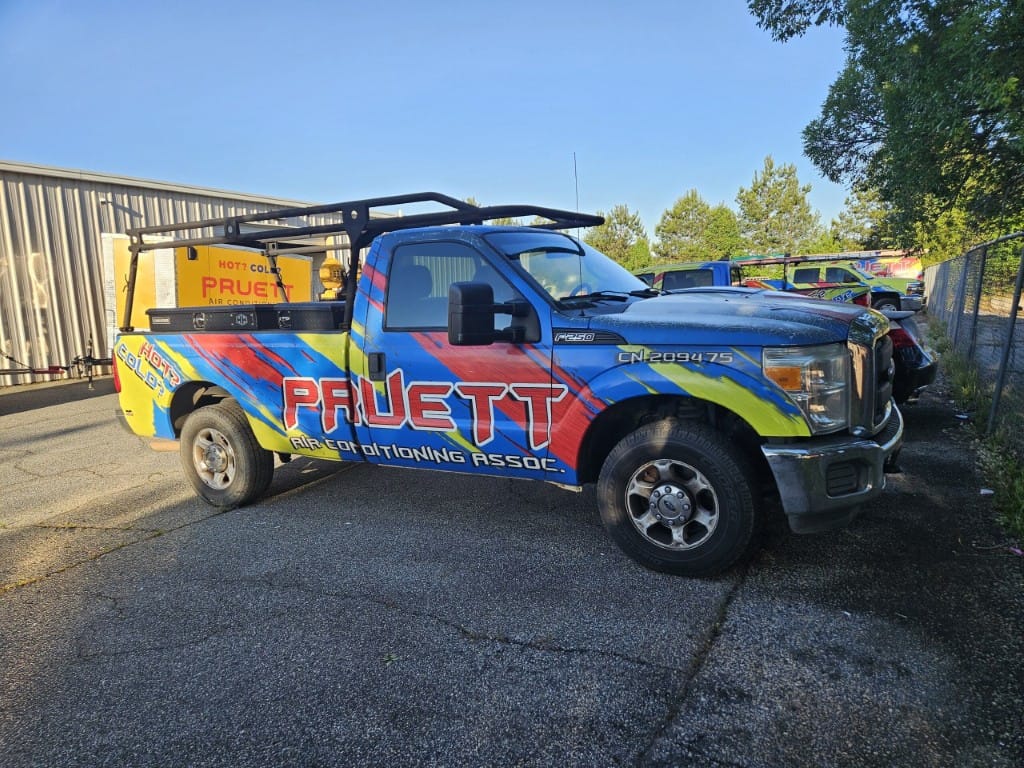
You’ve probably heard it on TV or the radio: “Hot? Cold? Call the Man.” Pruett Air Conditioning has been keeping Middle Georgia homes comfortable since 1977. That’s a lot of cold snaps, and a lot of furnaces brought back to life.
But a jingle doesn’t fix your furnace. People do. The NATE-certified techs at Pruett Air Conditioning service all brands, and they work from two local offices in Warner Robins and Eastman. So whether you live near Russell Parkway or out in Dodge County, help isn’t coming from Atlanta.
There’s one more thing that matters. Pruett puts its promises in writing. You can read every one of them on the Our Guarantees page before you ever pick up the phone.
Frequently Asked Questions
How often does a gas furnace need maintenance?
Once a year is the standard, ideally in the fall before heating season starts. Older furnaces benefit the most, because worn parts tend to fail during the first hard freeze. A yearly visit also helps keep many manufacturer warranties valid.
Is furnace maintenance worth it in a mild climate like Georgia?
Yes, maybe even more so. Georgia furnaces sit unused for months, gathering dust and pests, and then start and stop often in short bursts. That pattern wears out ignitors and flame sensors. A tune-up catches those parts before the coldest nights.
Why does my furnace smell like burning when I first turn it on?
Dust settles on the burners and heat exchanger during the off-season. When the furnace fires up, that dust burns off. A faint smell that fades within an hour is normal. A strong, lasting smell or a gas odor is not; leave the house and call your gas company.
How long does a gas furnace last in Middle Georgia?
Many gas furnaces last 15 to 20 years, and some go longer with good care. Lighter use helps, but frequent starts and moisture from the AC coil above can shorten that life. Regular maintenance is the best way to stretch it.
Don’t Let One Cold Night Catch You Off Guard
Middle Georgia winters are short. But the freezing nights we do get can be miserable if your furnace quits. Most breakdowns start as small problems: a dirty sensor, a tired ignitor, a slow drip from the AC coil above.
Annual furnace maintenance catches those problems early. It checks the safety parts that protect your family. And it gives you an honest picture of how much life your furnace has left, so you can plan instead of panic.
So don’t wait for the first freeze. Book your furnace tune-up with Pruett Air Conditioning today. Request service online, or call Warner Robins at 478-953-4986 or Eastman at 478-374-1481.
Hot? Cold? Call the Man.