The Cold Night Nobody Budgets For
It’s the first chilly night of the year. You walk over to the thermostat, flip it to “heat,” and wait.
Nothing happens. Or worse, you hear a click, a whoosh, and then silence.
If you live on a fixed income, that moment hits hard. It’s not just about being cold. It’s the worry that comes right after: How much is this going to cost me? A surprise repair bill can wreck a monthly budget that was already stretched thin.
Here’s the good news. Most of those first-cold-night breakdowns can be prevented with simple furnace maintenance done before winter. In this guide, you’ll learn why furnaces in Middle Georgia fail the way they do, what a real tune-up includes, how the costs compare, and how to plan so winter doesn’t come with a nasty financial surprise.
Why Georgia Furnaces Fail on the First Cold Night
The Problem With a Long Nap
Look, Middle Georgia winters are mild compared to the rest of the country. That sounds like good news for your furnace. In one way, it’s not.
Your furnace may sit unused for seven or eight months while your AC does all the work. During that time, dust settles on the burners. Moisture creeps in. Tiny parts like the flame sensor slowly get coated in grime.
Then the first cold snap arrives, and every furnace in town gets switched on the same week. The ones that were never checked are the ones that quit.
Sound familiar? It’s the reason heating companies get flooded with “no heat” calls in late fall. And when everyone’s calling at once, you may wait longer for help.
The Tiny Part Behind a Lot of Repair Calls
Want to know a secret from the trade? A huge share of “my furnace won’t stay on” calls come down to a dirty flame sensor.
This little metal rod tells your furnace that the burner actually lit. When it’s coated with residue, the furnace can’t “see” the flame. So it shuts itself off for safety, again and again.
Cleaning it during a tune-up takes a technician a few minutes. Dealing with it as an emergency on a freezing Saturday? That’s a whole different bill.
What a Real Furnace Tune-Up Should Include
Not all tune-ups are equal. Some companies send someone out for ten minutes, swap a filter, and hand you a bill. That’s not maintenance. That’s a sales visit.
A thorough furnace maintenance visit should look at safety, performance, and the parts that wear out most. The table below shows what a good technician checks and why it matters to you.
| What Gets Checked | Why It Matters | What Can Happen If Skipped |
|---|---|---|
| Flame sensor and burners | Keeps the furnace lighting and staying on | No heat on the first cold night |
| Heat exchanger | Looks for cracks that can leak carbon monoxide | A serious safety risk in your home |
| Gas pressure and connections | Makes sure fuel burns safely and fully | Wasted gas, odors, or unsafe operation |
| Igniter | Checks the part that starts the flame | Furnace clicks but never lights |
| Blower motor and belt | Moves warm air through your home | Weak airflow, strange noises, motor failure |
| Air filter | Protects the system and your lungs | Strain on parts, higher bills, dusty air |
| Thermostat calibration | Makes sure the house heats to the right temp | Rooms too cold or the system runs nonstop |
| Electrical connections | Tightens loose wires that heat up | Shorts, blown parts, or sudden shutdowns |
Here’s the thing: you don’t need to understand every item on that list. You just need a company willing to show you what they checked, in writing, and explain it in plain words.
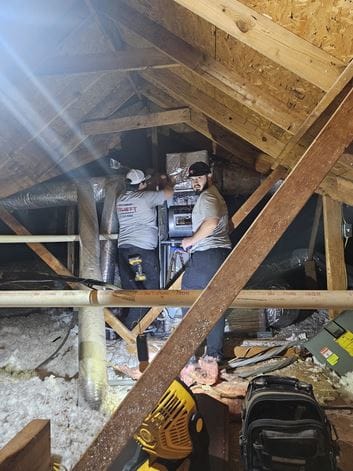
Ask for the Checklist
This is the step most homeowners skip. Before the technician leaves, ask for a written list of what they inspected and what they found.
It protects you. If someone later says you need a major repair, you’ll have a record of your system’s condition. And if a company won’t give you that list? That tells you something, too.
The Real Math for Folks on a Fixed Budget
Small, Planned Costs vs. Big, Surprise Ones
Let’s talk money, because that’s what keeps people up at night.
A furnace tune-up is a planned, modest expense. A breakdown is not. The repair costs below are general national ranges and will vary by home, system, and part. But they show the gap clearly.
| Expense | Typical Cost Range | Can You Plan for It? |
|---|---|---|
| Annual furnace tune-up | About $80–$200 | Yes, on your own schedule |
| Flame sensor cleaning or replacement | About $80–$250 | Usually caught during a tune-up |
| Igniter replacement | About $150–$400 | Often spotted early with maintenance |
| Blower motor replacement | About $400–$1,500 | Sometimes, if wear is caught early |
| Heat exchanger replacement | About $1,500–$3,500+ | Rarely; often leads to a new furnace |
| New furnace installation | About $4,000–$10,000+ | Only if you see it coming |
Tune-ups won’t make your furnace live forever. But they turn a lot of “surprise” costs into “we caught it early” costs. For someone on Social Security or a pension, that difference is huge.
The Hidden Savings on Your Energy Bill
There’s another payoff people forget. A clean, well-tuned furnace burns fuel more efficiently. A dirty one works harder and runs longer to heat the same house.
You may not notice a few extra dollars a month. Over a full winter, though, it adds up. And when you’re counting every dollar, those savings matter.
Safety First: Why This Matters More as We Age
Carbon Monoxide Is the Silent Risk
Now for the serious part. A gas furnace with a cracked heat exchanger or poor venting can leak carbon monoxide. You can’t see it. You can’t smell it.
Older adults are often more sensitive to carbon monoxide. Early symptoms, like headaches, tiredness, dizziness, or confusion, can easily be mistaken for a cold, the flu, or just “getting older.” That’s what makes it so dangerous.
A yearly furnace inspection is one of the best ways to catch the problem at the source. Pair it with working carbon monoxide detectors near bedrooms, and test them when you change your clocks.
Staying Warm Is a Health Issue, Too
It’s frustrating to hear “just put on a sweater” when your heat is out. For seniors, a cold home isn’t just uncomfortable.
As we age, our bodies don’t hold heat as well. A home that drops into the low 60s or below for too long can raise health risks, especially for anyone with heart or lung conditions. A furnace that works reliably all winter isn’t a luxury. It’s part of staying healthy at home.
What You Can Do Yourself (and What You Shouldn’t)
The Easy Wins
There are a few simple things you can handle between professional visits. Changing your air filter every one to three months is the big one. If you have pets or allergies, lean toward more often.
Keep vents and returns clear of furniture, rugs, and curtains. Make sure the area around your furnace isn’t used for storage, especially for paint, cleaners, or anything that can catch fire. And jot down the age of your system somewhere handy, like inside a kitchen cabinet door.
Where to Draw the Line
This doesn’t work for everything. Anything involving gas lines, the burners, electrical parts, or the heat exchanger belongs to a trained technician. Please don’t climb into a tight attic or crawl space to inspect equipment yourself.
A fall or a gas mistake costs far more than any service call. Your safety is worth the phone call.
When Maintenance Isn’t Enough
Signs It’s Time for a Repair
Even well-kept furnaces need help sometimes. Call for furnace repair if you notice short cycling, banging or squealing noises, a yellow flame instead of a blue one, a burning smell that doesn’t fade after the first day, or rooms that never warm up.
A light dusty smell on the first run of the season is normal. It’s just the dust burning off. If it hangs around for more than a day, though, get it checked.
Signs It May Be Time to Replace
Most furnaces last around 15 to 20 years. If yours is in that range and needs a big repair, it’s worth comparing the repair cost to a new system.
The exception is a well-maintained furnace that’s still running safely and efficiently. Age alone isn’t a reason to replace. But if you’re paying for repairs every year, a new heating system installation may cost less in the long run. Financing options can help spread out the cost so it fits a monthly budget.
Choosing Someone You Can Trust
The Fear of Being Upsold
Here’s what matters most to a lot of retirees: Will this person be honest with me?
You might feel nervous letting a stranger into your home. You might worry about being talked into something you don’t need. Those feelings are completely fair.
Pruett Air Conditioning has been part of Middle Georgia since 1977. Plenty of local families have called us for two or three generations. That kind of history only happens when you tell people the truth about their system, even when the truth is “you don’t need anything today.”
Promises You Can Hold in Your Hand
Trust is good. Trust in writing is better. Pruett Air Conditioning backs its work with six written guarantees, so you’re not left taking anyone’s word for it.
And for folks who’d rather not keep track of service dates, our Customer Care Plan keeps your heating and cooling on a regular maintenance schedule. That means fewer surprises and more predictable costs. You can also check our current specials and promotions for tune-up savings.
Frequently Asked Questions
How often should seniors schedule furnace maintenance?
Once a year is the standard, ideally in early fall before the first cold snap. In Middle Georgia, that usually means September through early November. Booking early helps you avoid the rush when every furnace in town gets turned on at once.
Is furnace maintenance worth it if my furnace still works fine?
Yes. Most problems caught during a tune-up give no warning at all. A dirty flame sensor or worn igniter can work fine one day and fail the next. Maintenance is about finding those issues while they’re cheap and convenient to fix.
What should I do if I smell gas near my furnace?
Leave the house right away, without flipping switches or using your phone inside. Once you’re outside, call your gas company’s emergency line or 911. After the gas company says it’s safe, have a licensed HVAC technician inspect the furnace before using it again.
Do heat pumps need fall maintenance too?
They do. Many Georgia homes use heat pumps, which heat and cool with the same outdoor unit. Since they work almost all year, a fall check of the refrigerant, coils, and defrost controls helps keep winter heating steady.
Stay Warm Without the Worry
A cold home and a surprise repair bill are two things no one on a fixed budget needs. The good news? You don’t have to leave it to chance.
Yearly furnace maintenance catches the small problems before they turn into big ones. It keeps your family safe from carbon monoxide. And it helps your furnace run efficiently, which keeps a little more money in your pocket.
Don’t wait for that first cold night to find out something’s wrong. Whether you’re in Warner Robins or Eastman, Pruett Air Conditioning is ready to help. Schedule your furnace maintenance today, or give us a call. Hot? Cold? Call the Man.