

What First-Time Homebuyers Must Know About AC
The One Thing Most New Homeowners Find Out Too Late
You just got the keys. You’re excited, maybe a little overwhelmed, and ready to make the place your own.
Then July hits. And the air conditioning doesn’t keep up.
It’s a story Pruett’s team hears every summer. A first-time buyer closes on a house, moves in during spring when everything seems fine, and then gets blindsided by an aging HVAC system the moment the Georgia heat cranks up.
Here’s what nobody tells you during the homebuying process: the air conditioning inspection is one of the most important things you can do — and most buyers either skip it or don’t know what questions to ask. This article changes that.

Why the AC Gets Overlooked During the Buying Process
You’re already juggling a mortgage, inspections, negotiations, and paperwork. It’s a lot.
The HVAC system is easy to overlook because it usually looks fine. The unit is sitting outside. Vents are in the ceiling. Everything seems accounted for.
But here’s the thing — a system can appear completely functional during a quick walkthrough and still be two summers away from total failure. Standard home inspections catch obvious problems. They don’t assess efficiency, refrigerant levels, coil condition, or how close a compressor is to giving out.
That gap in knowledge can cost you $4,000 to $8,000 in year one or two of homeownership.
What You Actually Need to Know Before You Close
The Age of the System Changes Everything
This is the single most important number. Ask your real estate agent to find it, check the manufacturer’s label on the outdoor unit, or look it up in the home’s permit history.
An air conditioning system in Georgia has a realistic lifespan of 12–15 years with good maintenance. In Middle Georgia’s brutal summer climate — where units run hard for months on end — that number can push toward the lower end.
A 14-year-old system might run fine during your first spring. Come August, it might not.
How to Read the Age Label on an AC Unit
Most outdoor condenser units have a data plate on the side. The manufacture date is either printed directly or encoded in the serial number. Every major brand uses a slightly different format, but many encode the year in the first few digits.
The exception is older units where the label has faded or been painted over. In that case, a licensed HVAC technician can often identify the age by model number lookup.
What the Home Inspector Won’t Tell You
A standard home inspector will note whether the system turned on and whether airflow was present. That’s basically it.
They’re not going to check refrigerant charge, measure temperature differential across the coil, inspect the capacitor, or evaluate duct efficiency. Those things require HVAC-specific expertise and tools.
You might feel a little frustrated hearing that, especially after paying for an inspection. But the fix is simple: request a dedicated HVAC inspection from a licensed technician before you close — or make it a contingency.
The Real Costs Nobody Puts in the Listing
Here’s a table that puts the numbers in plain terms. These are realistic costs for Middle Georgia homeowners based on common AC scenarios:
| Situation | Estimated Cost | Timing Risk |
|---|---|---|
| Refrigerant recharge (R-410A) | $200–$500 | Any time |
| Capacitor replacement | $150–$400 | Peak summer |
| Evaporator coil replacement | $800–$1,800 | Anytime; worsens over time |
| Compressor replacement | $1,500–$2,800 | Often peak season |
| Full system replacement (standard) | $4,000–$8,000+ | Emergency = less negotiating power |
| Full system replacement (planned) | $3,500–$7,000 | Off-season = better pricing & availability |
Look at that last row carefully. Replacing a system on your timeline — before it fails — almost always costs less than replacing it in an emergency. You have time to compare options, apply for financing, and schedule during a slower season when parts and labor are more available.
What to Ask Before You Make an Offer
You don’t have to be an HVAC expert to ask the right questions:
- Ask the seller for any service records on the system. A well-maintained unit with annual tune-ups is worth more than a same-age unit that’s never been touched. The exception is when records don’t exist at all — that’s a yellow flag, not a deal-breaker, but factor it into your offer.
- Ask when the refrigerant was last checked. Slow refrigerant leaks are common in older systems and will tank efficiency without obvious symptoms at first.
- Ask whether the system uses R-22 refrigerant. R-22 is no longer manufactured. If the system uses it and develops a leak, recharging is expensive — and at some point, it’s simply not available. A home with an R-22 system is carrying a hidden replacement cost.
What a Pre-Purchase HVAC Inspection Looks Like
A proper inspection by a certified technician takes about an hour and covers things your home inspector can’t.
They’ll check refrigerant levels and look for signs of leaks. They’ll measure the temperature differential between supply and return air — that spread tells you how hard the system is working and whether it’s cooling effectively. They’ll inspect the capacitor, contractor, coil condition, and electrical connections.
At the end, you get an honest picture. Not just “it turned on,” but “here’s where it stands and how long it’s likely to last.”
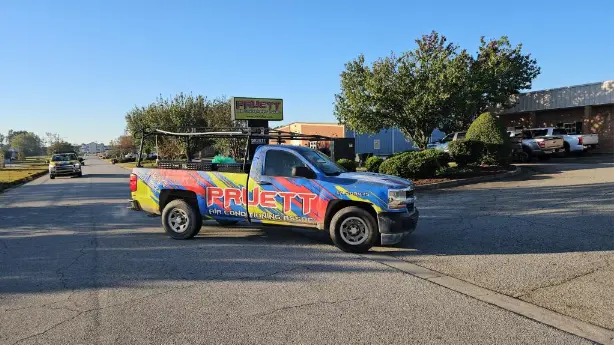
Pruett Air Conditioning has been doing exactly this kind of evaluation across Middle Georgia since 1977. NATE-certified technicians, nearly five decades of experience in this specific climate. When you call Pruett for a pre-purchase inspection, you’re getting an expert opinion — not a sales pitch.
If You’ve Already Closed and Inherited an Older System
It’s not too late. You still have options that don’t involve waiting for a breakdown.
- Get an evaluation now, in the spring or early summer, before the heat season peaks. If the system is marginal, you’ll know — and you can plan a replacement on your terms instead of scrambling in August when every HVAC company in Warner Robins is booked solid.
- Ask about maintenance agreements. Regular tune-ups extend system life, catch small problems before they become big ones, and keep your warranty valid. It’s the single highest-return thing you can do for an aging system.
Frequently Asked Questions
How old is too old for an AC system when buying a home?
In a hot, humid climate like Middle Georgia’s, most HVAC professionals consider a system 12 years or older to be in the “plan for replacement” category. That doesn’t mean it’ll fail immediately — a well-maintained 14-year-old system might give you a few more good years. But you should budget accordingly and get a thorough inspection before assuming it’s fine. Don’t let a seller’s “it works great” be the only data point you have.
Can I negotiate the AC into a home sale?
Yes, and you should if the system is aging or in questionable condition. A seller credit toward HVAC replacement or a price reduction is a reasonable ask when an inspection reveals a system near end-of-life. Many buyers overlook this because they don’t know what to look for — which is exactly why getting a dedicated HVAC evaluation before closing gives you negotiating power.
What’s the difference between a home inspector’s HVAC check and a real HVAC inspection?
A home inspector confirms basic function — the system turns on, air comes out of the vents. A licensed HVAC technician checks refrigerant charge, electrical components, coil condition, airflow efficiency, and system age-adjusted performance. The difference matters enormously for a first-time buyer trying to understand what they’re actually getting.
Should I replace an older AC system before or after moving in?
If a pre-purchase inspection reveals a system that’s likely to fail within one to two seasons, replacing it before summer — ideally before you move in — is often the smarter call. You avoid the stress of a breakdown, you’re not living in a hot house while waiting on parts, and you often get better scheduling and pricing in the off-season. Pruett can walk you through replacement options and financing if that’s the direction you’re heading.
Don’t Let Your First Home Come With a Surprise Electric Bill
Buying a home is exciting. It’s also one of the biggest financial decisions of your life, and the last thing you want is a $6,000 surprise six months in.
The air conditioning system is something you can actually assess before you commit — if you know what to look for and who to call. Ask about the system’s age. Get a proper inspection. And if you’re already in the house with an aging unit, get ahead of it before Georgia summer makes the decision for you.
Pruett Air Conditioning serves Warner Robins, Eastman, and communities across Middle Georgia. Nearly 50 years of experience, NATE-certified technicians, and a straight answer when you need one. Reach out before the heat does.