Cold nights in Fort Valley make heating problems hard to ignore. Ms Nelson, who lives along SR 96, had a furnace that would run for a while, then shut off hours later without warning. By morning, the temperature inside the home could drop enough to disrupt sleep and daily routines.
The heat would return only after flipping the breaker and waiting for the system to reset. Cooling worked normally, which pointed the issue squarely at the heating side of the system. Ms Nelson called Pruett AC for help, and Ricky, one of their trusted technicians, was sent out to inspect the furnace.
A Winter Heating Call From SR 96
This was the first visit to Ms Nelson’s home, so Ricky began by listening closely to what had been happening over time. She described a pattern that had become familiar every winter and hard to ignore.
She explained that:
- The thermostat was set higher than the room temperature
- The system took a long time to respond
- Heat would stop completely in the early morning hours
When the house got cold, resetting the breaker would bring the heat back briefly. Cooling continued to work normally, which helped narrow the issue to the heating operation rather than the thermostat or controls.
Why This Type of Call Is Common in Fort Valley
In Fort Valley, heating systems often stay idle for long stretches, then get pushed hard during sudden cold snaps. Older gas furnaces are especially vulnerable when they are forced into longer heating cycles overnight.
Common contributing factors include:
- Cold weather placing extra strain on aging furnaces
- Extended run times revealing safety issues
- Components reacting poorly to overnight temperature drops
When these conditions line up, systems are more likely to shut themselves down as a precaution.
What Was Going Wrong With the Heating System
 When Ricky arrived, the system was not running, even though the thermostat was set to 75°F and the indoor temperature was reading 70°F. Ms Nelson explained that this pattern happened every winter, the heat would lag for a long time, then eventually reach the set temperature. By early morning, usually around 3:00 a.m., the temperature could drop to 60°F, forcing her to reset the breaker for about 30 minutes just to get heat back.
During testing, Ricky observed a consistent startup pattern:
- The inducer motor would start
- The burners would ignite
- The system would shut down shortly after
This explained why the heat never lasted. The furnace was attempting to run, then shutting itself off mid-cycle because something wasn’t allowing it to operate safely.
Inspection and Diagnostic Process
Ricky worked through the system step by step to pinpoint the cause. Rather than assuming a single failed part, he tested each component to see how the system behaved over time.
The inspection included:
- Testing voltage at the gas valve and noting voltage drops
- Monitoring control board output, which also dropped intermittently
- Checking the pressure switch to confirm it wasn’t tripping
- Bypassing the flame sensor to verify the ignition sequence
These tests showed the shutdowns weren’t random and weren’t caused by thermostat settings. The furnace was responding to internal conditions it could no longer tolerate, which is why resets only worked temporarily.
The Critical Finding: Heat Exchanger Failure
As Ricky continued the inspection, the cause of the repeated shutdowns became clear. The heat exchanger inside the furnace showed heavy rust, and the flames were unstable during operation. Those signs pointed to damage the system could no longer operate around.
In simple terms, the furnace was unable to contain heat the way it should. Safety sensors detected unsafe conditions and shut the system down, which is why the heat never lasted long. Resetting the breaker only forced a temporary restart before the same problem returned.
The shutdowns weren’t random or caused by settings. The furnace was doing exactly what it was designed to do when conditions aren’t safe. Continuing to run the system in that state wasn’t a risk worth taking.
Why Repair Wasn’t the Right Option
 The control board and gas valve problems were symptoms, not the root cause. Both were reacting to unsafe operation tied directly to the damaged heat exchanger. Replacing individual parts would not correct that condition.
Heat exchanger damage isn’t something that can be repaired in a reliable way. Once that component fails, the furnace loses its ability to operate safely. In this case, replacement was the only responsible option.
Replacement Plan and Next Steps
After reviewing the findings, a clear plan was outlined to restore reliable heating and cooling. The focus was on replacing the failed components and updating the system where needed, without unnecessary changes.
The replacement plan included:
- A new gas furnace
- A new outdoor A/C unit with cooling coil
- An updated flue pipe
- A new outdoor pad
- Reconnection to the existing ductwork
Because the system was being replaced, the diagnostic fee was waived. Installation was scheduled for the following day to restore comfort as quickly as possible.
Life Along SR 96 in Fort Valley, GA
SR 96 is one of Fort Valley’s main connectors, linking neighborhoods to nearby towns and everyday essentials. Many homes along this stretch have been here for decades, with updates added over time rather than full rebuilds.
Common characteristics of homes along SR 96 include:
- Established houses with solid construction
- Renovations layered onto original layouts
- Heating and cooling systems that have worked through many seasons
As systems age, steady performance becomes more important, especially during colder nights.
Nearby Spots and Local Highlights
 Living along SR 96 means staying close to Fort Valley’s familiar landmarks without feeling crowded. A short drive brings residents to spots that add character to daily life.
Local highlights include:
- Fort Valley State University for events, sports, and campus life
- Lane Southern Orchards for seasonal fruit and baked goods
- Massee Lane Gardens for quiet walks and classic Georgia scenery
These places keep the area connected without disrupting its calm.
Fun Fact: Fort Valley is known as the Peach Capital of Georgia, but locals will tell you the best peaches don’t always come from a store.
When to Schedule Heating Service
Some heating problems don’t show up all at once. They start as small disruptions that slowly become part of the routine, especially during colder nights.
You should schedule heating service if:
- The heat runs but never reaches the set temperature
- The furnace shuts down and restarts on its own
- The home gets noticeably colder overnight
- Resetting the breaker becomes a regular habit
- The same heating problems return every winter
Catching these signs early can prevent bigger issues and help keep the system running safely through the season.
Why Homeowners Trust Pruett AC
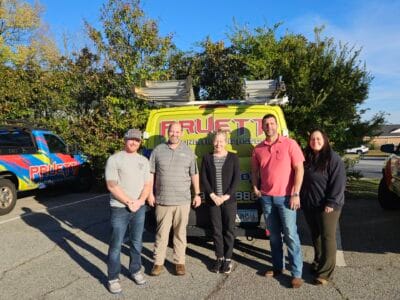
Pruett AC has been serving homeowners across Middle Georgia with quality Carrier products since 1977. As a family-owned company, they’ve built long-term relationships by staying local, showing up consistently, and handling heating and cooling problems the right way. Many of their technicians live and work in the same communities they serve, including Fort Valley.
Homeowners know what to expect when they call Pruett AC:
- A team with decades of hands-on experience in local homes
- Technicians trained and certified to diagnose issues carefully
- Clear explanations without pressure or rushed decisions
Their approach focuses on finishing the job properly and leaving homes in good condition. That steady, practical mindset is why many homeowners continue to rely on Pruett AC as a Carrier Factory Authorized Dealer year after year.
Paying Attention Early Makes the Difference – Schedule Your Heating Service Today
Heating issues rarely appear out of nowhere. Small irregularities like uneven temperatures, overnight shutdowns, or repeated resets often point to larger problems developing inside the system. Reliable heat isn’t about perfection, it’s about consistency you can count on when temperatures drop.
If something feels off, it’s worth acting sooner rather than later. You can contact Pruett AC at 478-953-4986. A timely check can help restore steady comfort and prevent bigger disruptions down the line.